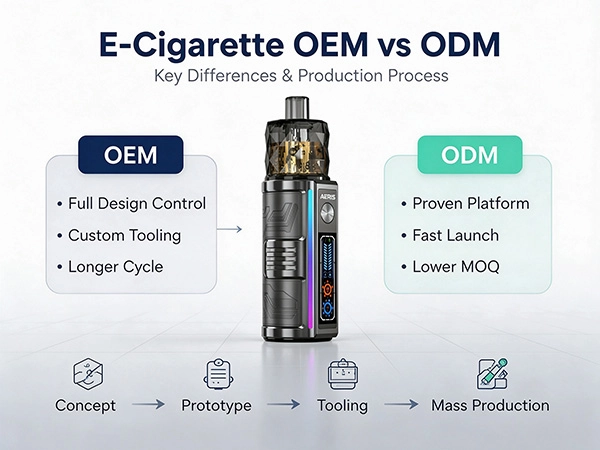
Custom ODM manufacturing has become the go-to strategy for vape brands looking to differentiate their products with unique designs, proprietary formulations, and branded hardware without building in-house production lines. However, the transition from initial sample prototyping to full-scale mass production is riddled with hidden risks that many importers and brand owners overlook.
Even when a factory delivers a flawless pre-production sample, mass-produced units can fall short on quality, miss regional compliance standards, or arrive weeks behind schedule. Below are the 10 most commonly overlooked details that can derail your ODM vape project, along with practical guidance to mitigate each risk.
1. Material Inconsistency Between Sample and Bulk Production
One of the most frequent complaints from vape brands is that mass-produced units feel cheaper or look noticeably different from the approved sample. Many ODM factories use premium-grade materials for prototype samples to win orders, but switch to lower-grade plastics, metals, or silicone seals during mass production to cut per-unit costs.
This not only damages brand reputation but can also lead to e-liquid leakage, overheating risks, and shortened product lifespan. Always require formal material specification sheets in your manufacturing agreement and conduct incoming material inspections before full production begins.
2. Misrepresented Battery Capacity and Cycle Life
Battery performance is a core selling point for both disposable and rechargeable vape devices, yet it remains one of the most exaggerated specifications in ODM projects. Factories may label batteries with a higher mAh rating than their actual capacity, or use low-grade cells that degrade rapidly after just 100–200 charge cycles.
For pod systems and disposable vapes, this leads to higher return rates and negative customer reviews that erode brand trust. Always request independent third-party battery testing reports and include clear capacity and cycle life warranties in your supply contract.
3. Poor Coil Consistency Causing Flavor Variation
Consistent flavor delivery is critical for customer retention and repeat purchases, but coil quality can vary dramatically between sample runs and bulk production. Hand-wound or poorly calibrated machine-wound coils can cause inconsistent resistance, burnt hits, or muted flavor across different production batches.
Many brands only test a handful of final samples and assume the entire batch will perform identically. Work with factories that use fully automated coil winding equipment and implement per-batch resistance testing to ensure uniformity across every unit produced.
4. Gaps in Compliance Certification or Fraudulent Documents
Vape products are heavily regulated in all major markets including the EU, UK, US, and Canada. A common and costly pitfall is relying on a factory’s self-issued certificates or outdated test reports that do not cover your specific product configuration, flavor ingredients, or hardware design.
Some unscrupulous factories even present counterfeit CE, TPD, or FDA registration documents. Always verify certification authenticity directly with the issuing body, and require test reports that match your exact product model, e-liquid ingredients, and manufacturing batch before approving shipment.
5. Color Deviation and Surface Finish Defects
Premium appearance and branding are key differentiators for vape brands, but matching exact Pantone colors across high-volume production is far more challenging than it sounds. Anodizing, spray painting, and pad printing processes can all produce noticeable color differences between approved samples and bulk units.
Additionally, surface defects like scratches, uneven coating, or misaligned logos are often missed in small sample runs but become widespread in mass production. Set clear visual tolerance standards early on and conduct formal first-article inspections before locking in full production runs.
6. Overstated Production Capacity and Delivery Delays
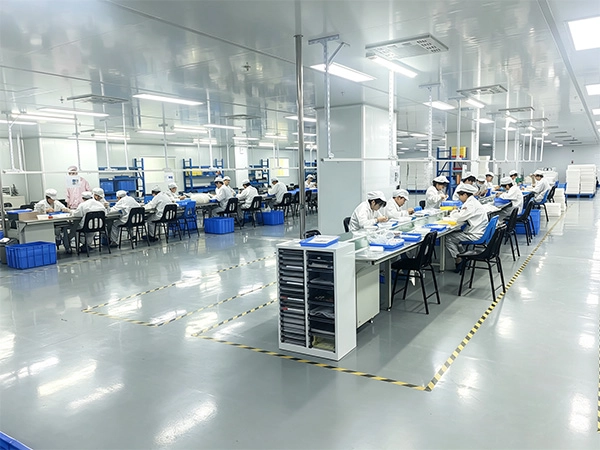
Many ODM vape factories advertise large monthly production capacities on their websites but actually outsource most assembly work to smaller, unvetted workshops. When order volumes spike or supply chain issues arise, your order gets deprioritized, leading to weeks or even months of unexpected delay.
Always audit the factory’s actual in-house production lines rather than relying solely on marketing claims. Build buffer time into your product launch schedule and include clear penalty clauses for late delivery in your manufacturing agreement.
7. Hidden Costs Tied to MOQ and Customization Requirements
Low quoted unit prices often hide additional fees that only surface after you commit to an order. These can include mold fees, tooling charges, custom packaging surcharges, firmware modification costs, and unstated minimum order quantity (MOQ) upcharges for smaller or split runs.
Before signing any contract, request a full, itemized breakdown of all costs including tooling, testing, packaging, and inspection fees. Clarify whether MOQ applies per SKU, per flavor, or per order to avoid unexpected minimum spend requirements mid-project.
8. Firmware and Function Debugging Mismatches
For pod systems, box mods, and smart vape devices, firmware controls everything from power output to temperature protection and battery level indicators. It is surprisingly common for sample units to run polished, fully debugged firmware while mass-produced units ship with buggy, outdated, or feature-incomplete software.
This can cause serious issues like auto-firing, inaccurate battery readouts, or incompatible pod detection. Always require a formal firmware sign-off process and conduct functional testing on a statistically significant sample of every production batch.
9. Unstable Supply Chain and Component Shortages
The global vape industry faces frequent component shortages, from chipsets and batteries to cotton wicks and raw e-liquid materials. Many ODM factories source components from multiple third-party suppliers, and a single missing part can halt your entire production run indefinitely.
Ask factories for their approved vendor list and standard component safety stock levels. Whenever possible, qualify alternative component suppliers upfront to avoid production halts caused by single-source dependencies or market shortages.
10. Lack of Quality Traceability and After-Sales Support
When quality issues arise after delivery, many brands discover their ODM partner has no formal system to trace which production batch a defective unit came from, or refuses to honor warranty claims for bulk orders.
Weak after-sales support can leave you stuck with thousands of defective units and no financial recourse. Prioritize factories with certified quality management systems (ISO 9001, GMP) and clear defect replacement, return, and rework policies outlined explicitly in your supply agreement.
Conclusion
Navigating ODM custom vape manufacturing from initial sample to mass production requires careful attention to detail at every stage of the process. By proactively addressing these 10 common pitfalls, you can reduce costly reworks, avoid compliance fines, and ensure consistent product quality that protects your brand reputation in global markets.
Partnering with an experienced, transparent, and quality-focused ODM manufacturer is the single most effective way to mitigate these risks. If you are looking for a reliable vape manufacturing partner with a proven track record of on-time delivery and strict quality control protocols, our team can guide you through every step of your custom vape project.